Japan is on everyone’s list. That’s the problem.
Most people who talk about living here have visited for two weeks, stayed in a Shibuya hotel, and come back telling you about temples and vending machines. They’re not wrong, exactly. But they’ve missed the thing that actually makes Japan worth basing yourself in: it functions better than almost anywhere else on earth. That goes for the bullet trains and it goes for the espresso in a neighbourhood café at eleven at night.
I spent the better part of a year in Osaka, mostly in Sakuragawa, with time in Tokyo and Kyoto. Osaka was the right call. It’s grittier than Tokyo, more neighbourhood-scale, and the people are more open. The bars don’t close. The food is extraordinary and cheap. And nobody in your network has probably been there, which matters more than it sounds when you’re trying to write honestly about a place.
Japan is not for everyone as a base. It’s not cheap backpacker territory. The apartments are small. The language wall is real. And if you want a ready-made nomad community with weekly meetups and a Telegram group, you’ll be waiting. But for the right person, someone who wants somewhere that actually works in every sense of that word, there are very few places that come close.
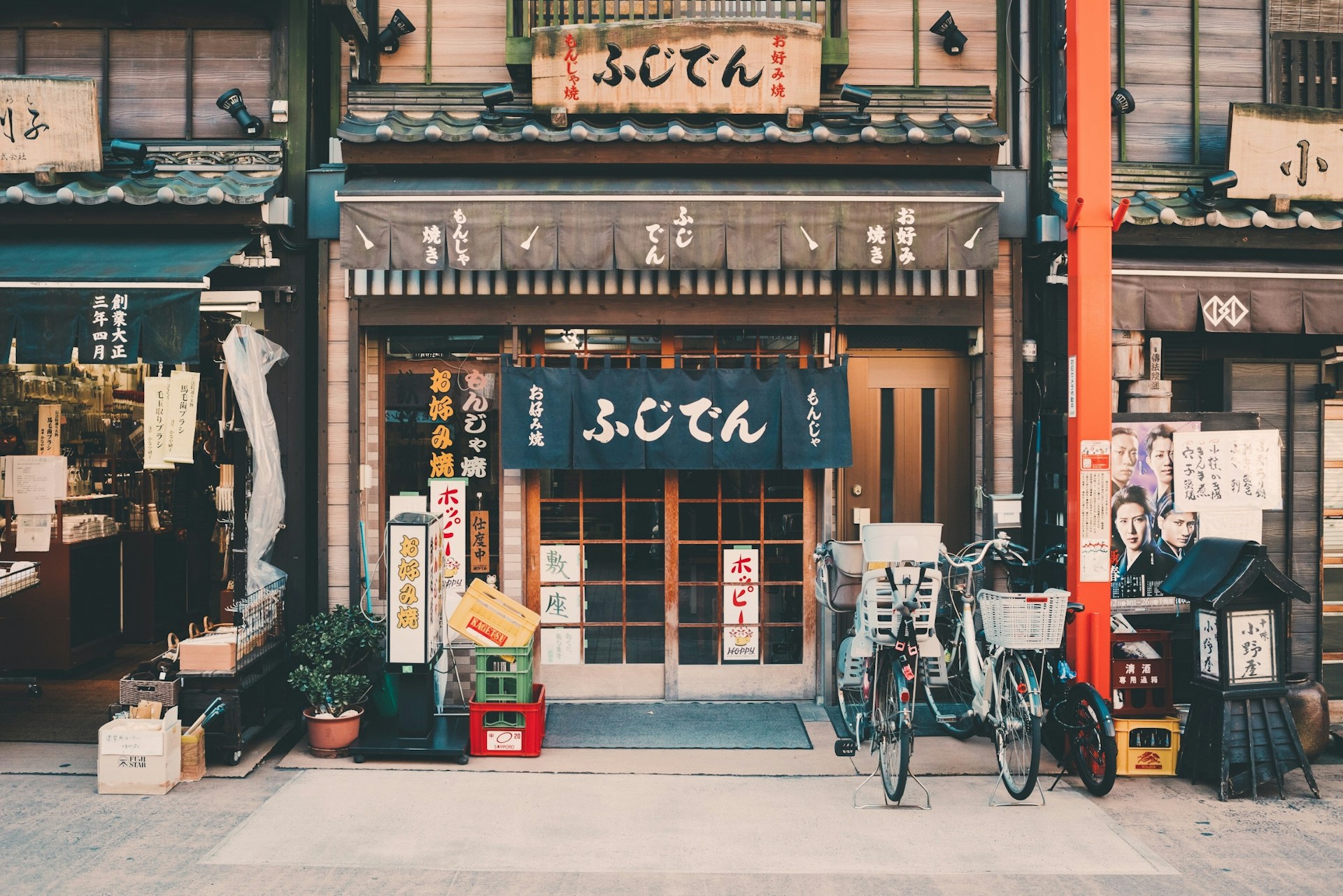
Things just work here. The trains, the internet, the coffee, the streets at midnight. You stop noticing it eventually, which is exactly the point.
Why Japan right now
The yen has been weak. That’s the blunt version of a more interesting story.
Japan spent decades as shorthand for “expensive.” That reputation was earned and, for a long time, accurate. But the currency shift of recent years has changed the real-terms cost of being here considerably, particularly for dollar and pound earners. Tokyo, which routinely ranks in the top ten most livable cities in the world, is now competitive in cost with major US and European cities for anyone earning outside Japan. Osaka runs cheaper still.
The practical side of Japan has always been exceptional. Internet speeds that embarrass most Western cities. Public transport so reliable you stop thinking about it. Convenience stores open around the clock selling hot food, stationery, phone chargers, and surprisingly good coffee. The day-to-day logistics that drain you in other countries simply don’t here.
The government moved on digital nomads in 2024, launching a dedicated visa. The income bar is high, more on that below, but the fact it exists signals intent, and Japan’s tech infrastructure was already built for it. The nomad world is only just starting to take Osaka seriously as a base, which means you’re getting in before the obvious wave arrives.
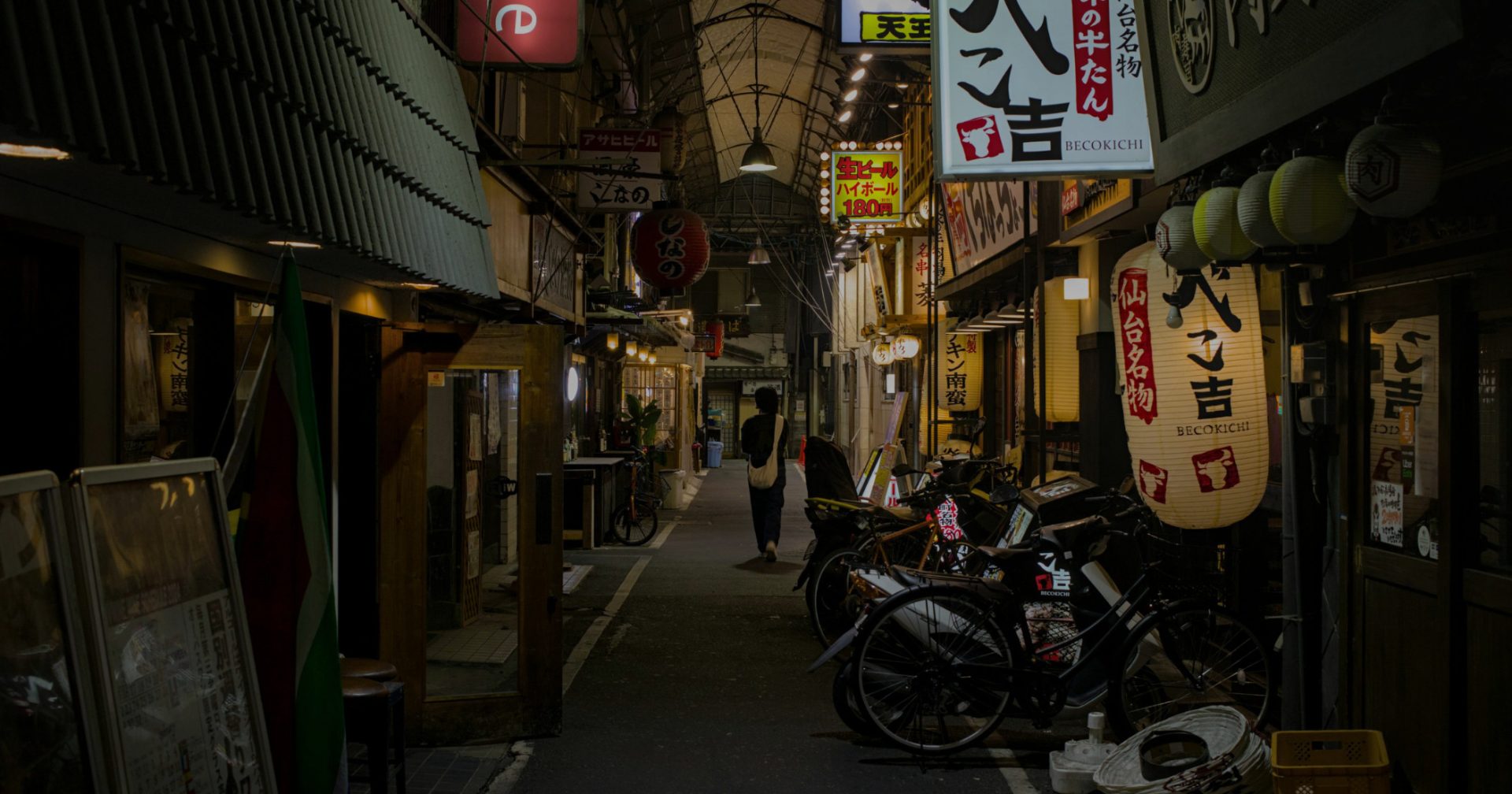
The late-night culture is the thing no guide mentions. Japan has a reputation for early bedtimes and rigid office hours, and that’s real. What’s also real is that those same office workers go out after work and stay out properly. Izakayas fill at nine and clear at midnight. Then people move on. Then again. Getting up for work on four hours sleep is treated as a badge of honour. The drinking and eating culture here is one of the most alive I’ve encountered anywhere, and it’s completely invisible from the outside.
What does the digital nomad life actually cost in Japan?
More than South East Asia. Less than the reputation suggests. The key variable is accommodation, and the key trap is renting short-term.
Japan’s short-term rental market is expensive and the apartments are small. Airbnb and weekly mansion options in central Osaka will run £40 to £80 per day, and the space you get for that money is modest. Stay longer and the maths shift completely. A decent one-bedroom in a good neighbourhood on a proper monthly arrangement costs £370 to £460. That’s comfortable central Osaka, not a compromise. The jump between short-term and long-term is bigger here than almost anywhere else I’ve based myself, and it’s worth knowing before you arrive.
Once you’re settled, the day-to-day is far more manageable. Food is where Japan surprises people. Eating at a proper sit-down restaurant costs £8 to £14 for dinner. A lunch set at a neighbourhood place, a bowl of something and a drink, rarely breaks £6. Convenience store food is a legitimate meal option, not a fallback, and it costs almost nothing. The coffee culture in Osaka is excellent, independent cafés with serious espresso, and you’ll pay £2 to £3. Transport on the metro and JR lines runs about £35 to £40 a month. Taxis are the exception: they’re expensive by any measure, typically £5 to £8 for a short ride, and you won’t want to use them regularly.
| Category | Cost | Notes |
| Accommodation | £370–£500/mo | Long-term monthly lease, central Osaka. Short-term £40–£80/day. |
| Food | £185–£250/mo | Mix of local restaurants, izakayas, convenience stores. Eating out is relatively cheap. |
| Transport | £35–£45/mo | Metro and JR lines are excellent value. Taxis are expensive. Use sparingly. |
| Coworking | £130–£175/mo | Monthly membership at Osakan Space or equivalent. Cafés viable for lighter days. |
| Utilities and internet | £60–£80/mo | Usually included or partially included in monthly rentals. |
| Social and leisure | £150–£250/mo | Izakaya nights add up. Budget generously if you’re going to actually live here. |
| SIM and data | £12–£18/mo | Airalo or local SIM. Coverage is excellent throughout. |
| Total estimate | £1200–£1600/mo | Comfortable lifestyle with regular nights out and a decent central apartment. |
The number that catches people is the social budget. Japan rewards going out. Ordering round after round of small dishes and cold beer at an izakaya table that feels like yours for the evening is one of the best things about being here. Budget for it properly and it still costs less than a similar night in London or Amsterdam. Undershoot it and you’ll miss the best part of the place.
Getting there and visas
The visa-free situation for Japan is one of the most generous in Asia. UK, EU, US, Australian, Canadian, and New Zealand passport holders all get 90 days on arrival, no application, no fee, no appointment. You land, you get stamped, you’re in. That 90 days covers most of what a nomad actually needs for a first or second stint.
One practical note on entry: Japanese immigration is thorough and professional. Have your accommodation address ready, a return or onward flight, and a clear answer for why you’re visiting. It’s not aggressive, but it’s not casual either. They may ask you questions. Nothing to worry about if you’re prepared.
The visa run to South Korea, a quick flight to Seoul or Busan to reset your 90 days, is a well-worn path and it works. Immigration officers are aware of it and may ask about the pattern if you’re doing it repeatedly. For a short or medium stint it’s fine. For longer stays, the nomad visa is the cleaner option, with caveats.
The income bar on the DNV is worth being honest about. At roughly £50,000 per year, it filters for a fairly specific slice of the remote workforce, primarily people in tech, finance, or consulting. If you clear it, the visa is a clean and well-run option. If you don’t, the 90-day tourist entry with a Seoul trip in the middle is what most nomads actually use. The visa is a good sign of intent from the government. The threshold means most people won’t use it.
Where to actually base yourself
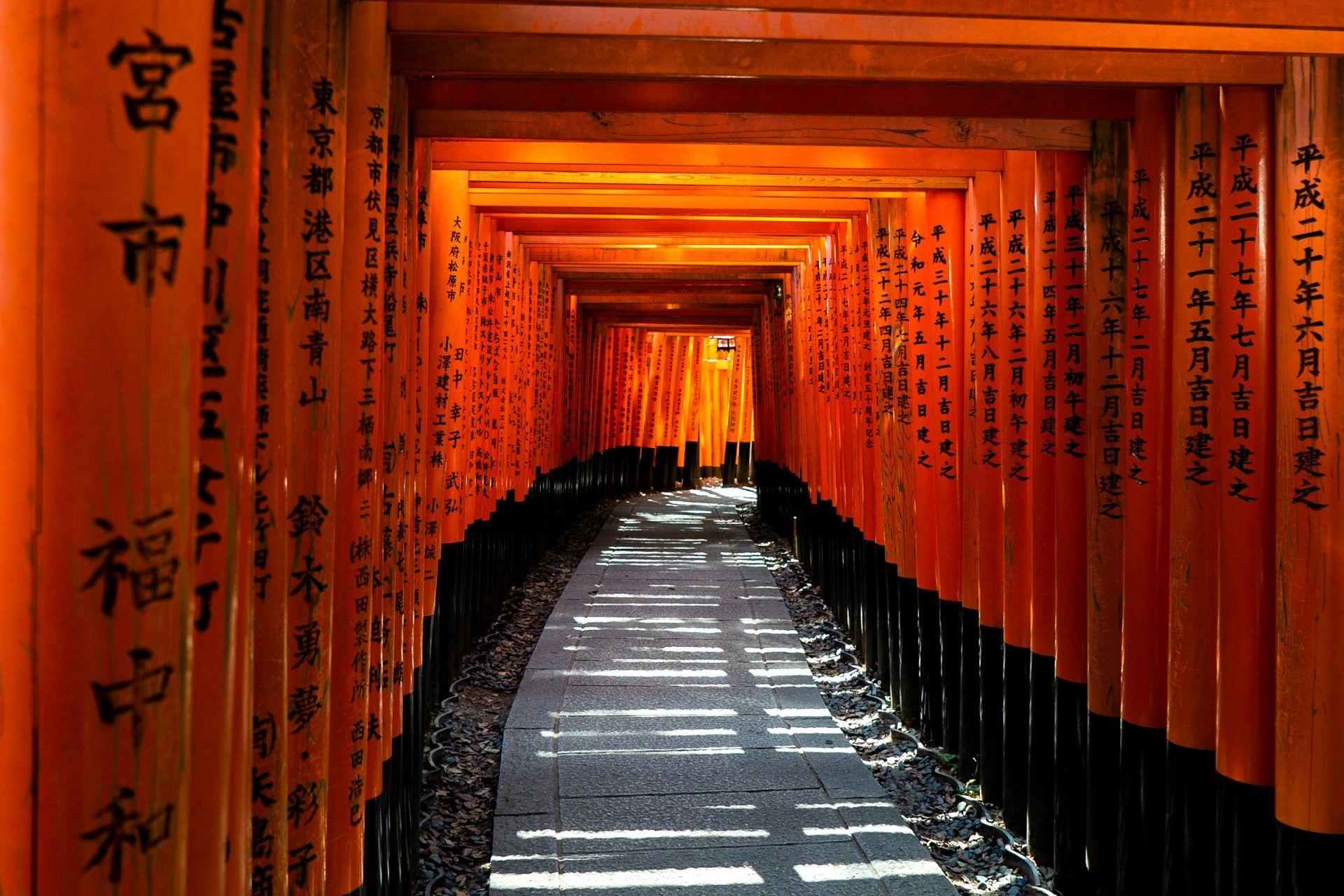
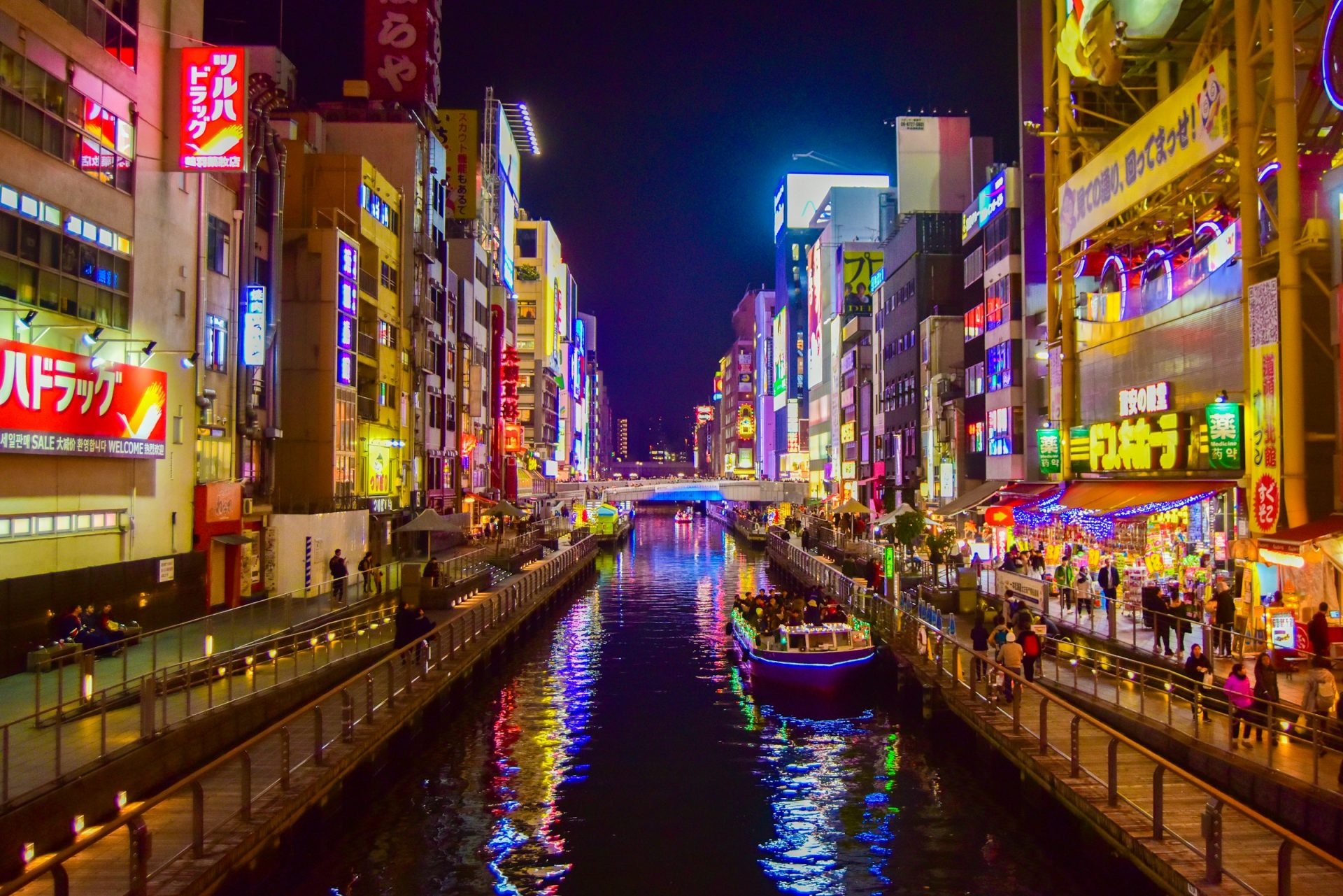
Osaka is the right call for most nomads and the city I’d point anyone to first. Tokyo gets the attention but Osaka has the centre of gravity. Namba pulls everything toward it. The neighbourhoods around it are walkable, cheaper than Tokyo, and worth actually living in rather than just visiting.
The area around Sakuragawa and Namba, roughly the southern centre of the city, is where I’d start. Close to the best food streets, close to the nightlife, accessible to the metro and the rest of the city. The streets are dense and lived-in. You’ll find your local konbini within a day, your local ramen spot within a week, and a regular izakaya not long after.
Honmachi, the business district a few stops north on the Midosuji Line, is worth knowing about for a different reason: it’s where the coworking spaces are. If you’re doing serious focused work, basing yourself in or near Honmachi gives you easy access to Osakan Space and the handful of other spaces in that corridor, with good cafés as fallback. Slightly quieter than the Namba area, slightly less interesting at night, but a strong working base.
Umeda and Kita in the north are the transport hub of Osaka, the main Shinkansen connections, the big department stores, the business hotels. Worth knowing but slightly soulless for day-to-day living. Better as a transit node than a home base.
Tokyo is extraordinary and it’s also a different kind of base. Everything is bigger, faster, more expensive, and slightly harder to navigate without Japanese. The neighbourhoods are more fragmented. A short stay in Tokyo to understand the country is almost essential. As a long-term nomad base, Osaka is more practical and more interesting in the ways that matter day to day.
If you do base in Tokyo, Shimokitazawa and Nakameguro are the neighbourhoods that feel most livable for a foreign nomad, less corporate, more neighbourhood-scale than Shibuya or Shinjuku. Budget roughly 20 to 30% more across the board compared to Osaka figures.
Internet, coworking, and working hours
Japan’s internet infrastructure is one of the best in the world, and Osaka sits comfortably within that. Fixed broadband averages around 109 Mbps in the city, with the faster providers pushing well above 200 Mbps. In practice, café WiFi is reliable, coworking speeds are consistently fast, and apartment broadband, usually included in or easily added to a monthly rental, never gave me reason to think about it. Mobile 4G and 5G coverage is excellent throughout the city and on the trains.
Coworking in Osaka is thinner on the ground than you might expect for a city of this size. There are spaces, but the density you’d find in Lisbon or Chiang Mai isn’t here. The good news is that café working is a completely viable alternative for most of what a nomad actually needs. Japanese café culture is built for quiet, focused work. Nobody chases you out. The coffee is good. Power sockets are available. For lighter days or email-heavy afternoons, any decent café handles it.
Time zone
UTC+9, no daylight saving. For European-based clients, Japan is a challenging overlap, typically a couple of hours in the early morning or late evening. For US clients it’s harder still. If your work is async-heavy this doesn’t matter much. If you need live calls with London or New York regularly, think through the schedule before committing to a long stint. For anyone working with Asian clients, Singapore, Hong Kong, or Australia, Japan is a natural fit.
Banking and money
Revolut and Wise both work well throughout Japan for card spending. Use either as your day-to-day. ATMs are straightforward. 7-Eleven and Japan Post ATMs are the most reliable for international cards and are everywhere.
The cash situation is the one thing to prepare for. Japan still runs significantly on cash, far more than most developed economies. Markets, small restaurants, neighbourhood shops, local taxis, many vending machines that take coins only: carry it. The shift toward card acceptance is happening but it’s not complete, and you will hit moments where cash is the only option. Withdraw a reasonable amount on arrival and keep some on you daily. It becomes habit quickly.
One practical note: opening a Japanese bank account without a residence card is close to impossible. Digital nomad visa holders don’t receive one. Revolut, Wise, or your home bank account is what you’re working with for the duration.
SIM and connectivity
Airalo eSIM is the simplest option and works well throughout Japan. Pick it up before you land or on arrival and you’re connected immediately. Coverage in both Osaka and Tokyo is excellent. For longer stays, a local SIM from a convenience store or electronics shop, IIJmio and Mineo are both solid, gets you a better data rate for the monthly cost. Some apps and services in Japan require a local number for verification. Worth getting a local SIM once you’re settled if you’re staying more than a few weeks.
Coverage holds up well on the metro and Shinkansen, which matters more than people expect. The rural areas between cities, particularly on slower regional lines, do drop to 3G or below. For city-based working it’s a complete non-issue. Download offline maps if you’re making a weekend trip out of the cities.
Community and social life
There is no structured nomad community in Osaka to speak of. No regular meetups, no active Telegram group with a hundred people in it, no coworking-to-social pipeline. What you do have is a working holiday crowd, a layer of expat English teachers and international students, and a handful of longer-term foreign residents who found their way here and stayed. It’s thin but it’s not zero, and the people you do meet tend to be more interesting for not being part of a pre-formed scene.
Social life comes through the city itself more than through any organised nomad infrastructure. The izakaya culture does a lot of the heavy lifting. Osaka is a place where sitting at a counter next to someone leads somewhere more often than it does in most cities. People are open, particularly in the southern neighbourhoods around Namba and Shinsaibashi. Less guarded than Tokyo. More willing to talk to a stranger.
English is limited but improving. In central Osaka, younger people in commercial areas often have functional English. Menus in tourist-adjacent areas frequently have English or photos. Google Translate’s camera function becomes a daily tool. You will hit language walls regularly: anything bureaucratic, anything at a local neighbourhood shop, anything at a smaller restaurant. It’s manageable. It accumulates. Budget for the occasional frustrating ten minutes.
The honest downsides
Short-term housing is expensive and small. The gap between what you pay for a week and what you pay for a month is stark. Airbnb and monthly mansion options in central Osaka run £40 to £80 per day for properly small apartments. If you arrive without a longer rental sorted, you’ll pay more and get less space. Plan for a longer commitment or accept the cost.
The DNV income bar shuts most people out. £50,000 per year from outside Japan is a high threshold. Most nomads will use 90-day tourist entries and a Seoul trip in the middle rather than the visa. The visa exists and it’s a positive sign, but it’s not a practical option for the majority.
Coworking is sparse. There are spaces in Osaka, but nothing like the density you’d find in Southeast Asia or Southern Europe. Café working fills the gap well, but if dedicated coworking infrastructure matters for your day-to-day routine, Japan will feel thin.
Summer is brutal. July and August in Osaka hit 35°C with humidity that makes walking any distance unpleasant. Most places have good air conditioning, which limits the damage, but the heat is real and it affects everything from your willingness to go outside to how much you enjoy the city. Spring and autumn are excellent. Summer is survivable but it’s not the version of Japan you want.
The time zone is isolating for European client work. UTC+9 means your London overlap is early morning or late evening. US overlap is middle of the night. If your work requires regular live calls with Western clients, factor in the schedule reality before committing to a long stint.
Sightsaw Studio works with tourism boards to attract nomads who stay longer.
Monthly cost calculator
Quick reference
| Country | Japan |
| Primary cities | Osaka, Tokyo |
| Nomad score | 8.0 / 10 (potential 8.5) |
| Monthly budget | £1,200 to £1,600 comfortable (Osaka). £1,400 to £1,900 (Tokyo). |
| Long-term rent | £370 to £460/month (1-bed, Osaka). £500 to £650 (Tokyo). |
| Short-term rent | £40 to £80/day |
| Visa-free | 90 days, 70+ countries incl. UK, EU, US, AU |
| Digital nomad visa | Designated Activities Visa. 6 months, non-renewable |
| DNV income req. | ¥10M/year (~£50,000/year) from outside Japan |
| Internet (Osaka) | ~109 Mbps fixed broadband average |
| Time zone | UTC+9, no daylight saving |
| Best months | March to May · September to November |
| Avoid | July to August. Extreme heat and humidity. |
| Top coworking | Osakan Space, Osaka (Taiga Building 10F, Honmachi) |
| Best SIM | Airalo eSIM on arrival, then IIJmio or Mineo local SIM |
| Cards | Revolut and Wise both work well |
| Cash needed | Yes. Japan still runs significantly on cash. |
| Language | Japanese. Limited English outside central areas. Google Translate camera is a daily tool. |
| Nomad community | Thin. Working holiday crowd and expats rather than a structured nomad scene. |
| Safety | Very high |
| Last verified | May 2026 |