Nobody goes to Kazakhstan as digital nomad base. That’s kind of the whole point.
When I tell people I’ve been, the first question is usually some version of “is it safe?” And I get it. The word “stan” carries a lot of baggage that has nothing to do with the reality of being there. But Kazakhstan is safer than most of Southeast Asia, more developed than most people imagine, and genuinely one of the most surprising places I’ve ever based myself.
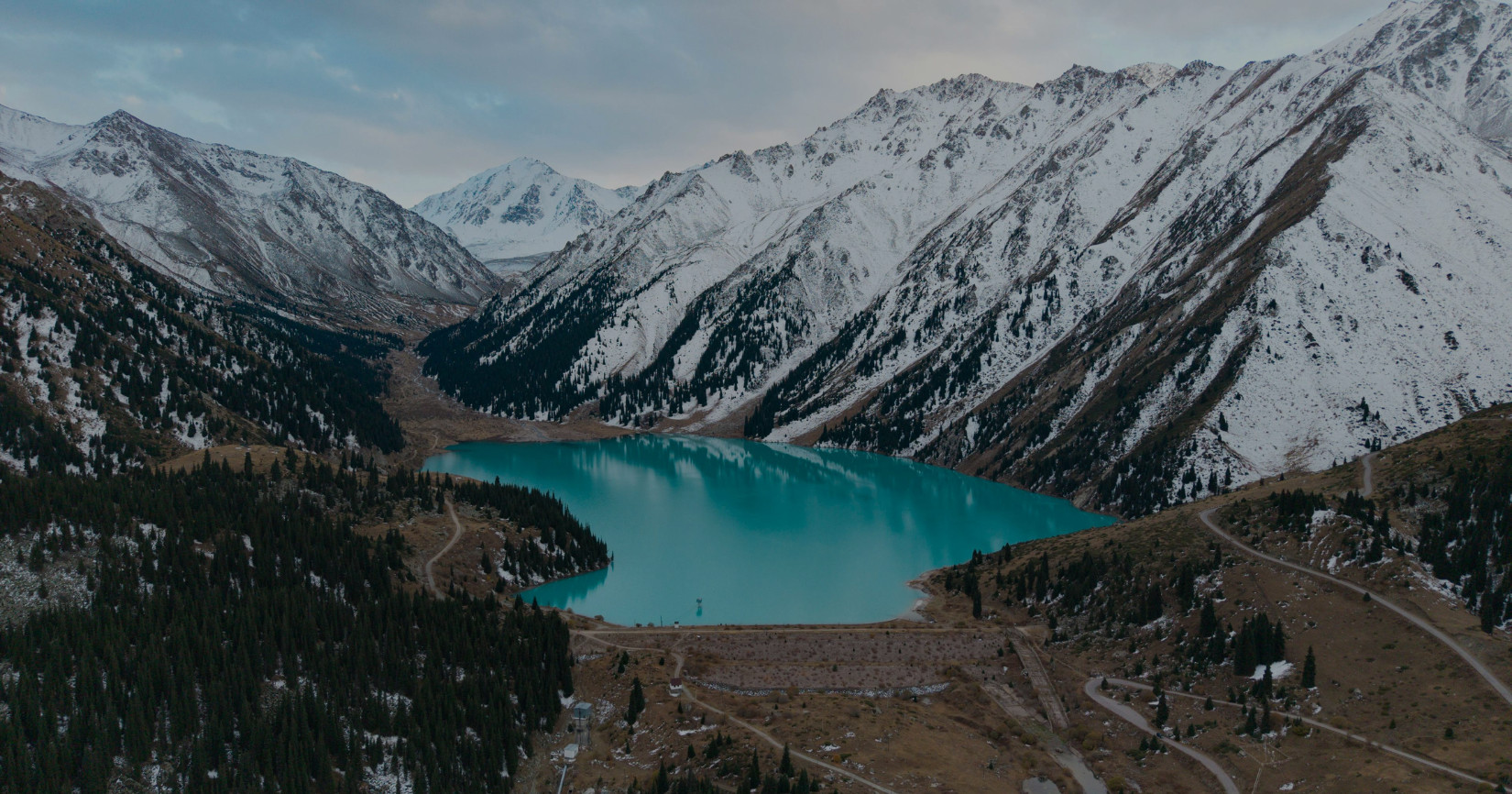
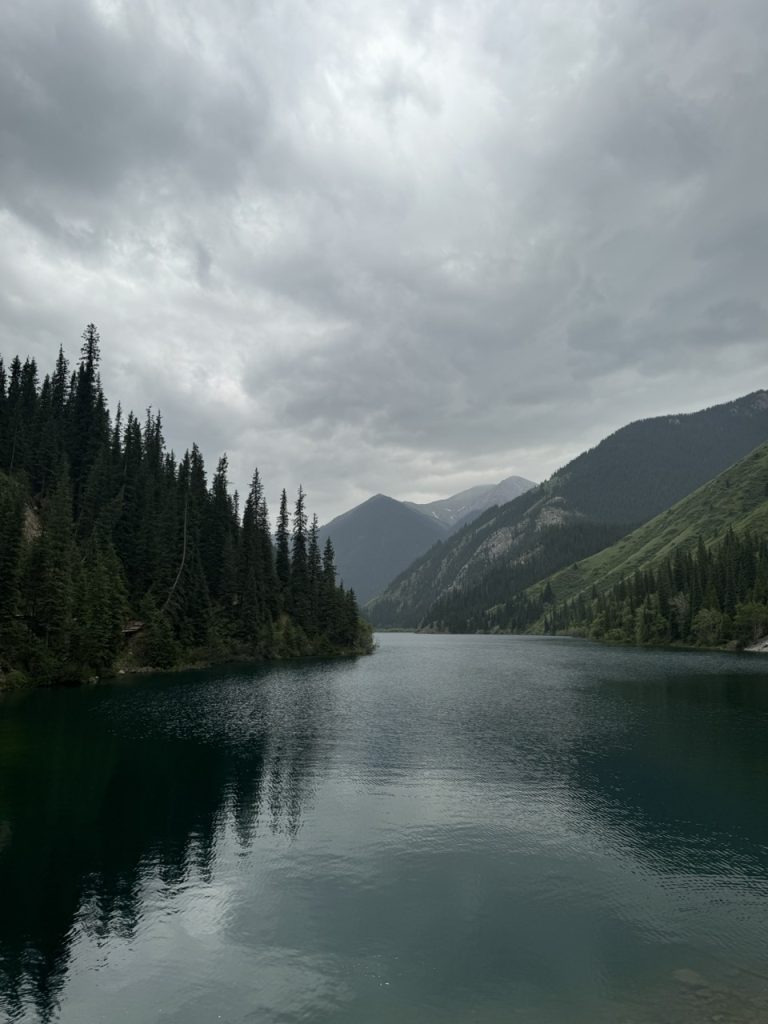
The landscapes alone stopped me in my tracks. I knew Kazakhstan was big (ninth largest country in the world, bigger than Western Europe) but knowing that and actually driving out of Almaty into it are completely different things. The Tian Shan mountains ring the city like a wall. The steppe stretches to nothing. The canyons look like something that shouldn’t exist at those latitudes.
But none of that is why you’d base yourself here as a nomad. You’d base yourself here because your money goes absurdly far, the internet is solid, the cities are functional and interesting, and you’ll have a place that very few people in your circle have ever been to.
It’s not an easy option. I want to be upfront about that. But for the right person, it’s genuinely one of the most interesting bases in the world right now.
Why Kazakhstan right now
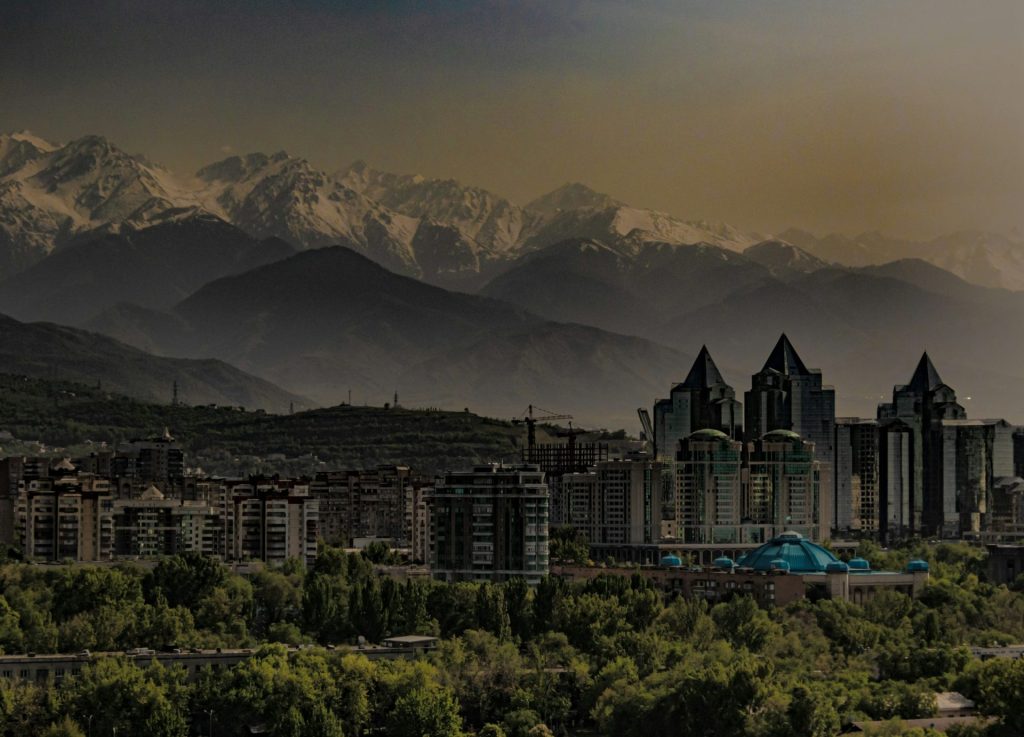
The timing is genuinely interesting. Kazakhstan launched its first digital nomad visa in late 2024. The first in all of Central Asia. The government is actively building its tech ecosystem through Astana Hub, which offers 0% corporate tax for registered IT companies. Infrastructure in both major cities is modern and functional in a way that catches most people off guard.
And the nomad world hasn’t caught up yet, which means you’re getting in before the place turns into the next Tbilisi. That last point cuts both ways. The early-mover advantage is real. So is the fact that you’ll be largely on your own.
None of the guides tell you that Kazakhstan is funny and strange and alive in all the ways the most interesting destinations are.
What does the digital nomad life actually cost in Kazakhstan?
Cheap. Really cheap. I’d budget £800 to £1,200 per month for a comfortable life in Almaty.
| Category | Cost | Notes |
| Accommodation | £360–420/mo | 1-bed long-term. Short term £20–30/day |
| Food | £150–250/mo | Mix of local and international eating |
| Taxis | £30–50/mo | Yandex Taxi. Most rides under £2 |
| Coworking | £80–120/mo | Day passes £10–18 if needed |
| SIM / data | £10–20/mo | eSIM or local SIM |
| Total estimate | £800–1,100/mo | Comfortable life including weekend budget |
The first taxi I took in Almaty I thought the driver had made a mistake. I pulled out my card and he waved it away and pointed at the screen. Under a pound. For a 20-minute ride. Your money resets here in a way that’s hard to explain until you’re inside it.
Getting there and visas
Most Western passport holders, including UK, EU, US, Canada and Australia among the 48 exempt countries, get 30 days on arrival. No application, no fees, no appointment. You land, passport gets stamped, you’re in.
Immigration at Almaty airport felt noticeably more thorough than you might be used to. Have your accommodation details ready and a clear, simple answer about why you came.
Find out more details about the Neo Nomad Visa here.
Where to actually base yourself
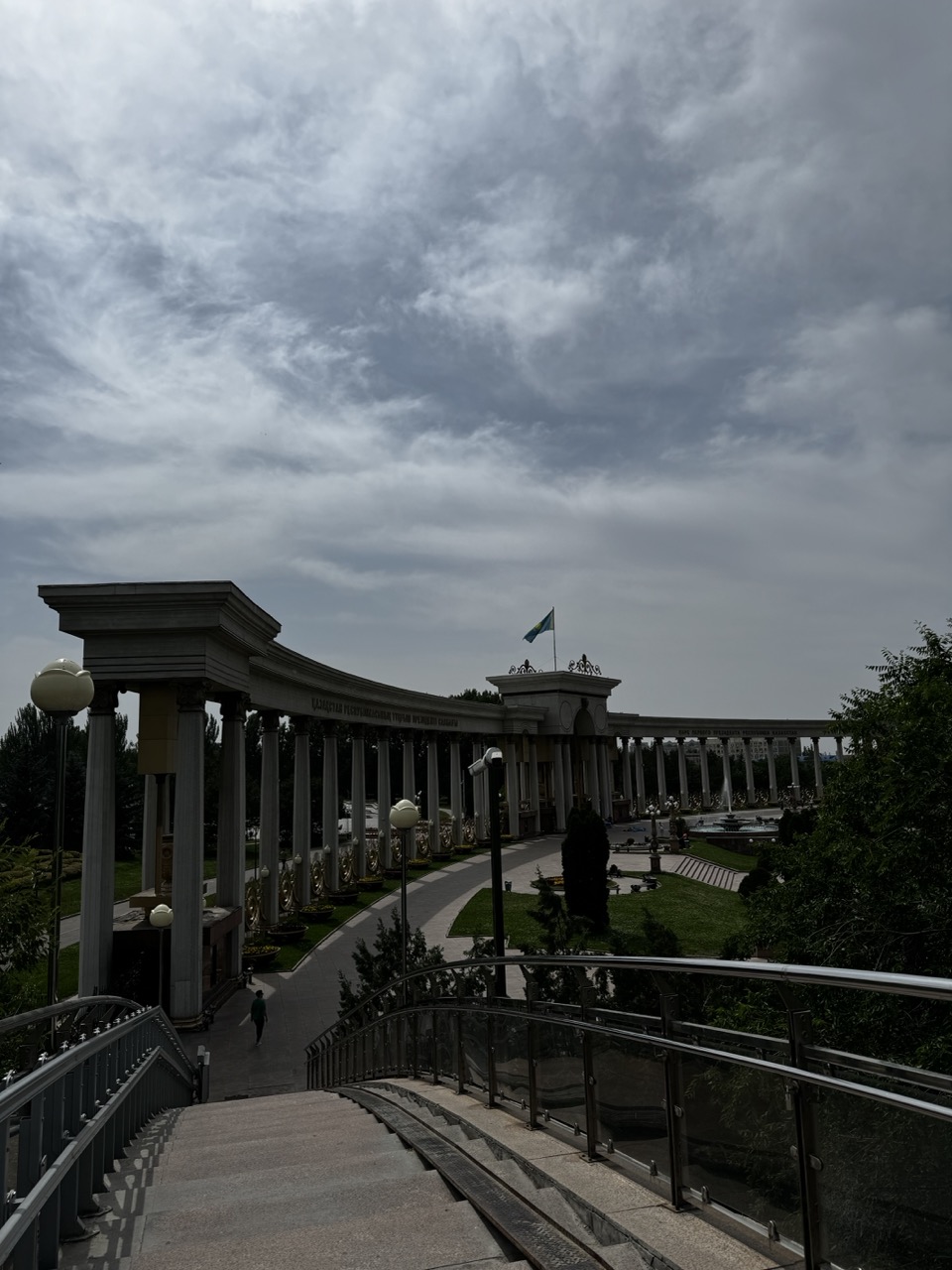
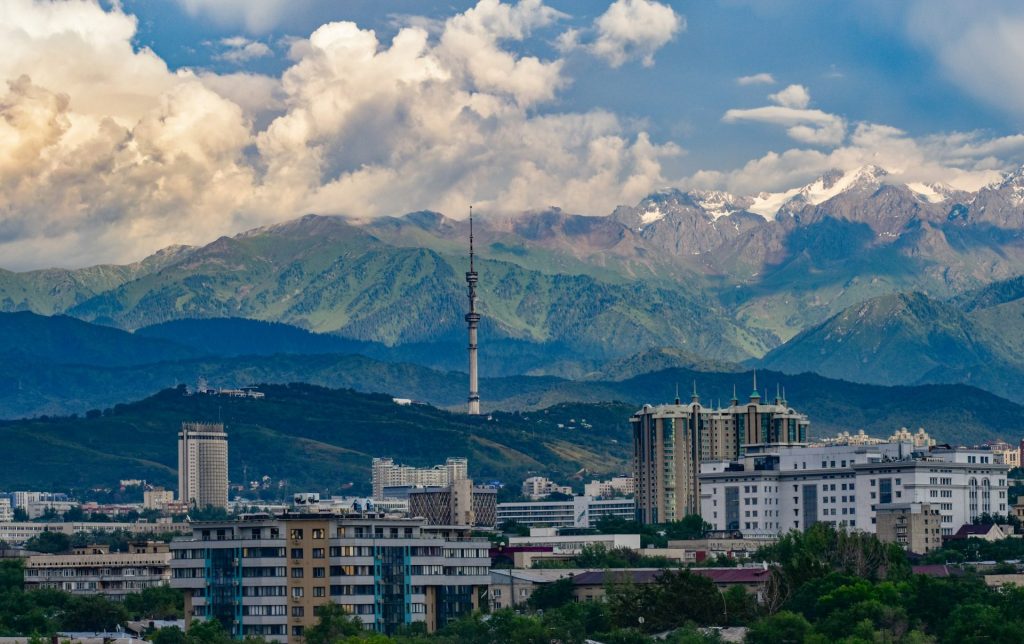
Almaty is where most nomads will end up, and it’s the right call. Kazakhstan’s cultural and commercial centre, sitting in the foothills of the Tian Shan. On clear days the mountains behind the city are genuinely spectacular. For a first stay, the area around foothills of the Trans-Ili Alatau mountains is where I’d point you. Central, walkable, close to good cafés.
Astana is a completely different experience. Where Almaty is layered and lived-in, Astana looks like someone was given a blank steppe and unlimited budget. Slightly better English, better for the tech ecosystem, strange in a compelling way. The area around Astana city centre has good modern apartments.
Internet, coworking, and working hours
Better than you’d expect. Almaty averages 131 Mbps on fixed broadband, which beats most Western European cities. Café WiFi is reliable. eSIM coverage (Airalo works throughout) drops in the mountains. Not a problem for city-based working.
Time zone: UTC+6, no daylight saving. Your working day naturally overlaps with European afternoons and Asian mornings. For anyone with clients or colleagues in both regions, that matters more than it sounds.
Banking and money
Revolut works perfectly throughout. Wise and Monzo are fine too. But carry cash. Kazakhstan still runs significantly on cash, particularly at local markets, smaller restaurants, and neighbourhood shops. Withdraw a reasonable amount on arrival and keep it on you.
Your money goes further here than the numbers suggest. Knowing a £10 note covers most of a day’s eating and transport makes everything feel different.
Community and social life
Honest answer: the nomad community here is almost nonexistent. No established meetups, no significant Telegram groups, no obvious pipeline like you’d find in Tbilisi or Lisbon. If you need that infrastructure to feel settled somewhere, Kazakhstan will be hard.
What you do have is locals. Kazakhstani people have this initial reserve that reads as unfriendly until you realise it isn’t. Once you get past it, many locals are genuinely warm and eager to talk to foreigners who’ve made the effort to come. Google Translate’s camera feature becomes a genuine daily tool. I used it for menus, signs, receipts, all of it.
The honest downsides
Language. Kazakh and Russian dominate. You will hit friction points regularly: menus, directions, anything bureaucratic. Manageable, but it accumulates and becomes tiring. Factor that into how long you plan to stay.
Making friends is on you. Without an existing nomad community there’s no obvious on-ramp to social life. The effort is worth it. But it’s effort.
Getting beyond the cities requires planning. Everything outside the cities, the landscapes, Charyn Canyon, Big Almaty Lake, the steppe, requires either hiring a car or joining a group tour. Budget for it if you want to actually see Kazakhstan.
Winter is serious. Astana in January is -25°C. Almaty is milder but -10°C is still -10°C. Spring and autumn are by far the best times to be here.
Sightsaw Studio works with tourism boards to attract nomads who stay longer.
Monthly cost calculator
Quick reference
| Country | Kazakhstan |
| Primary cities | Almaty, Astana |
| Nomad score | 6.5 / 10 (potential 8.0) |
| Monthly budget | £800 to £1,200 comfortable |
| Long-term rent | £360 to £420/month (1-bed) |
| Short-term rent | £20 to £30/day |
| Visa-free | 30 days, 48 countries incl. UK, EU, US, Australia |
| Digital nomad visa | Neo Nomad B12-1, 1 year renewable to 4 |
| DNV income req. | $3,000/month from outside Kazakhstan |
| Internet (Almaty) | 131 Mbps fixed broadband average |
| Time zone | UTC+6, no daylight saving |
| Best months | April to May / September to October |
| Avoid | November to February (Astana -25°C) |
| Top coworking | SmArt.Point, Almaty (Baizakov St 280) |
| Best SIM | Airalo eSIM throughout |
| Cards | Revolut, Wise, Monzo all work |
| Cash needed | Yes, carry it especially for markets |
| Language | Kazakh and Russian dominant. Limited English. |
| Nomad community | Minimal, emerging |
| Safety | US Advisory: exercise normal precautions |
| Last verified | April 2026 |