Thailand wins by default for a lot of people. It’s the obvious answer when someone asks where to go in Southeast Asia, and it’s been that way for long enough that most nomad guides treat it as settled ground. Here’s the thing: the obvious answer is often right.
I’ve spent six months here across a few stays. Bangkok mostly, some time in Chiang Mai, a look at the islands. And what I keep coming back to is that Thailand doesn’t actually need you to try very hard. The infrastructure works. The food is everywhere and usually excellent. The apartments are better value than almost anywhere in Europe at the same price point. It is, in a meaningful sense, easy.
That ease is the point and it’s also the trap. Bangkok in particular will let you disappear into a condo with a pool on the roof, a gym on the third floor, and a 7-Eleven in the lobby, and it will not judge you for never leaving. The weeks slide by. The work gets done. You’re comfortable. Whether that’s a good thing depends entirely on what you came here for.
What I can tell you is that Thailand works at a level most destinations don’t. The internet is fast, the money stretches further than the numbers suggest, and the new Destination Thailand Visa has finally removed the legal grey area that nomads spent years quietly ignoring. The infrastructure is real. The community is real. The question is whether you want somewhere established or somewhere still being figured out..
Bangkok is the city that never asks you to leave. That’s not always the same as a reason to stay.
Why Thailand right now
The DTV changed things. For years the standard move was arriving on a tourist stamp, working quietly, and hoping nobody asked questions. Thailand knew this was happening and largely tolerated it. Now it’s official. The Destination Thailand Visa, launched in mid-2024, is the first Thai visa category explicitly designed for remote workers. Five years, 180 days per entry, extendable to 360. That’s a meaningful shift from what came before.
What it does is give nomads who’ve always wanted to base here properly a route that doesn’t require legal creativity. Combined with the 60-day visa-free entry that Thailand extended to 93 countries in 2024, the options for testing the country before committing are better than they’ve ever been.
The other thing worth saying is that Thailand’s position as the default Southeast Asia nomad base has, counterintuitively, made it better. The number of coworking spaces, nomad-facing cafés, and English-friendly services in Bangkok and Chiang Mai is the direct result of years of demand. The infrastructure exists because the demand created it. You are not going to arrive and have to figure out where to work.
What the nomad world hasn’t caught up with is the split between the two cities. Most guides treat them interchangeably. They’re not. Bangkok is infrastructure and energy and the kind of productive comfort that comes from having everything within reach. Chiang Mai is community and a slower pace and the kind of social life that Bangkok’s scale makes harder to find. Knowing which one you need matters.
What does the digital nomad life actually cost in Thailand?
The short answer is: less than you think, even now. Thailand has seen gradual price increases over the past few years and Bangkok in particular is no longer the bargain it was a decade ago. But comfortable is still achievable for £900 to £1,200 per month in Bangkok, and Chiang Mai runs about 30% cheaper across the board. The money resets in the way it does in a handful of places globally.
The Bangkok condo situation deserves its own mention. For £420 to £580 per month on a longer-term lease you get a furnished one-bedroom apartment in a building with a pool, a gym, and usually a convenience store at street level. In Western Europe that budget gets you a room. Here it gets you a lifestyle. That gap is where most of Bangkok’s appeal lives.
| Category | Cost | Notes |
| Accommodation | £420–580/mo | 1-bed furnished condo on lease. Short-term Airbnb runs £35–60/night. |
| Food | £200–300/mo | Mix of local restaurants and the occasional Western meal. Street food lunch under £2. |
| Transport | £40–60/mo | BTS + Grab. Avoid taxis in peak traffic. Grab Bike for short trips. |
| Coworking | £90–150/mo | Monthly hot desk at a decent space. Day passes around £7–10. |
| Utilities and internet | £40–60/mo | Usually included or low in modern condos. Home fibre is very fast. |
| Social and leisure | £100–300/mo | Bangkok has a lot of ways to spend money in the evenings. Budget accordingly. |
| SIM and data | £12–£18/mo | AIS or DTAC unlimited data plans are cheap and reliable. |
| Total estimate | £900–£1200/mo | Comfortable lifestyle in Bangkok. Chiang Mai runs £650–900. |
Getting there and visas
Thailand extended its visa-free stay from 30 to 60 days in mid-2024 for citizens of 93 countries, including the UK, all EU member states, US, Australia, and Canada. You land, get stamped, and have two months before you need to do anything. Extend once at any immigration office for an additional 30 days (1,900 THB, around £43), and you’re at 90 days total without ever applying for a visa in advance.
One practical note: a Thailand Digital Arrival Card (TDAC) is now required before arrival at all major airports. It replaces the old paper TM6 form. Five minutes online, produces a QR code. Do it the day before you fly. Also worth knowing: land border entries are capped at two per calendar year under the visa-free scheme. If you’re doing a border bounce, that counts. Thailand’s immigration is paying more attention to repeat entries and long stays on rolling exemptions in 2026.
For anything longer than 90 days, the DTV is what you need.
The savings requirement is the main practical hurdle. There’s no minimum monthly income, which makes the DTV accessible to a wide range of nomads, but you do need to show 500,000 THB sitting in a bank account for at least three months before applying. Proof of employment or freelance income (six months of payslips or client contracts) is also required. One thing to check with your specific embassy: requirements have varied between locations since launch.
Where to actually base yourself
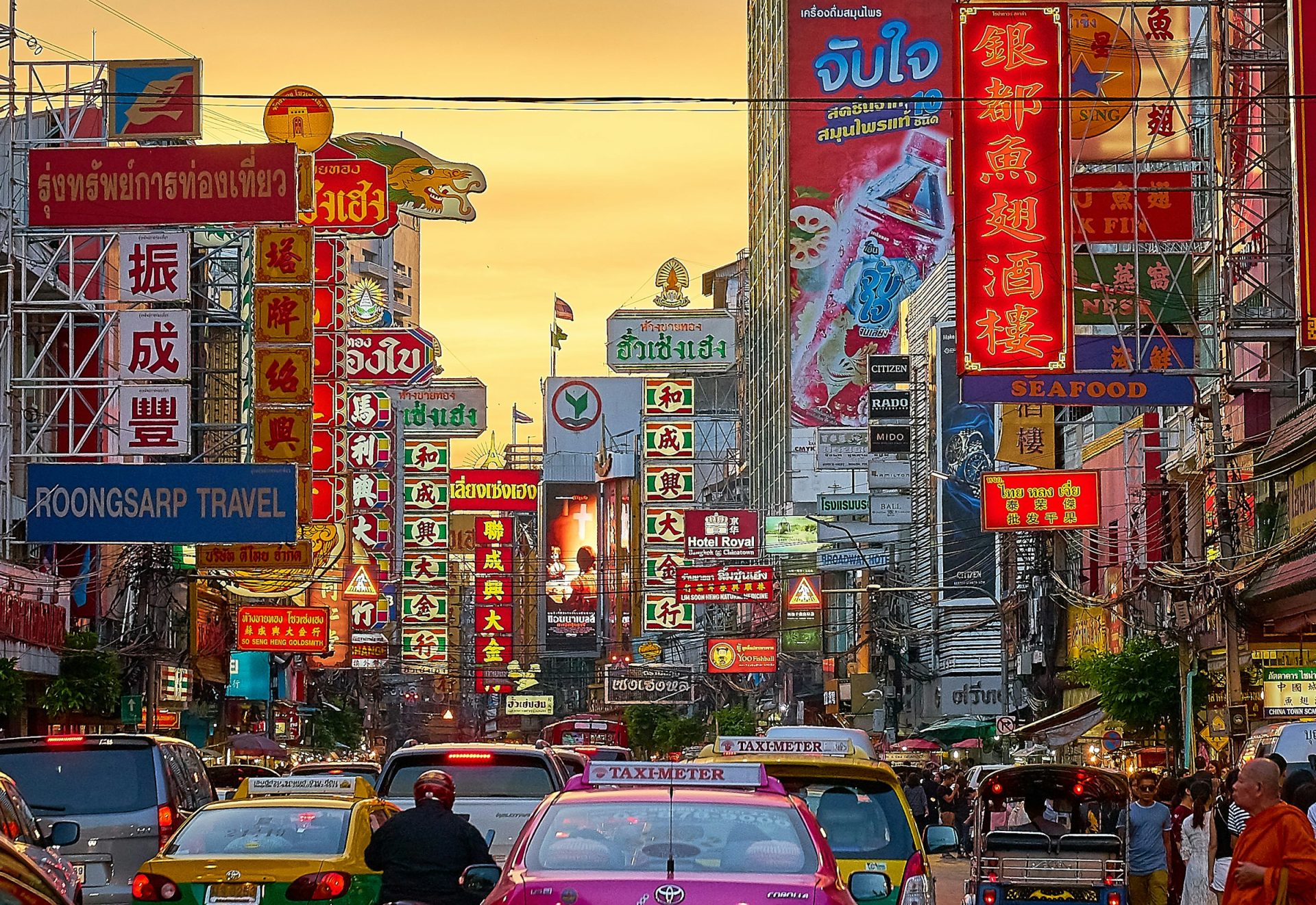
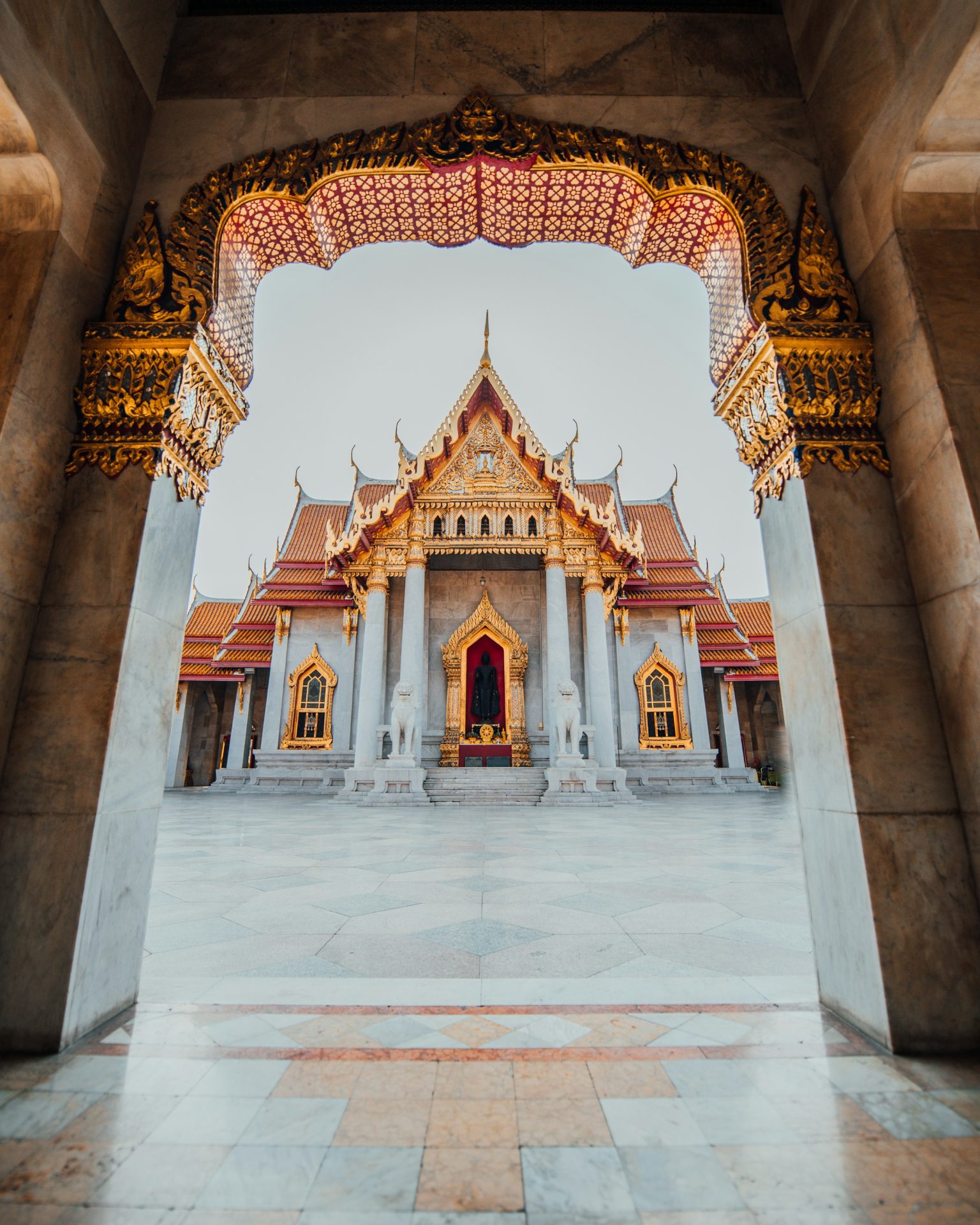
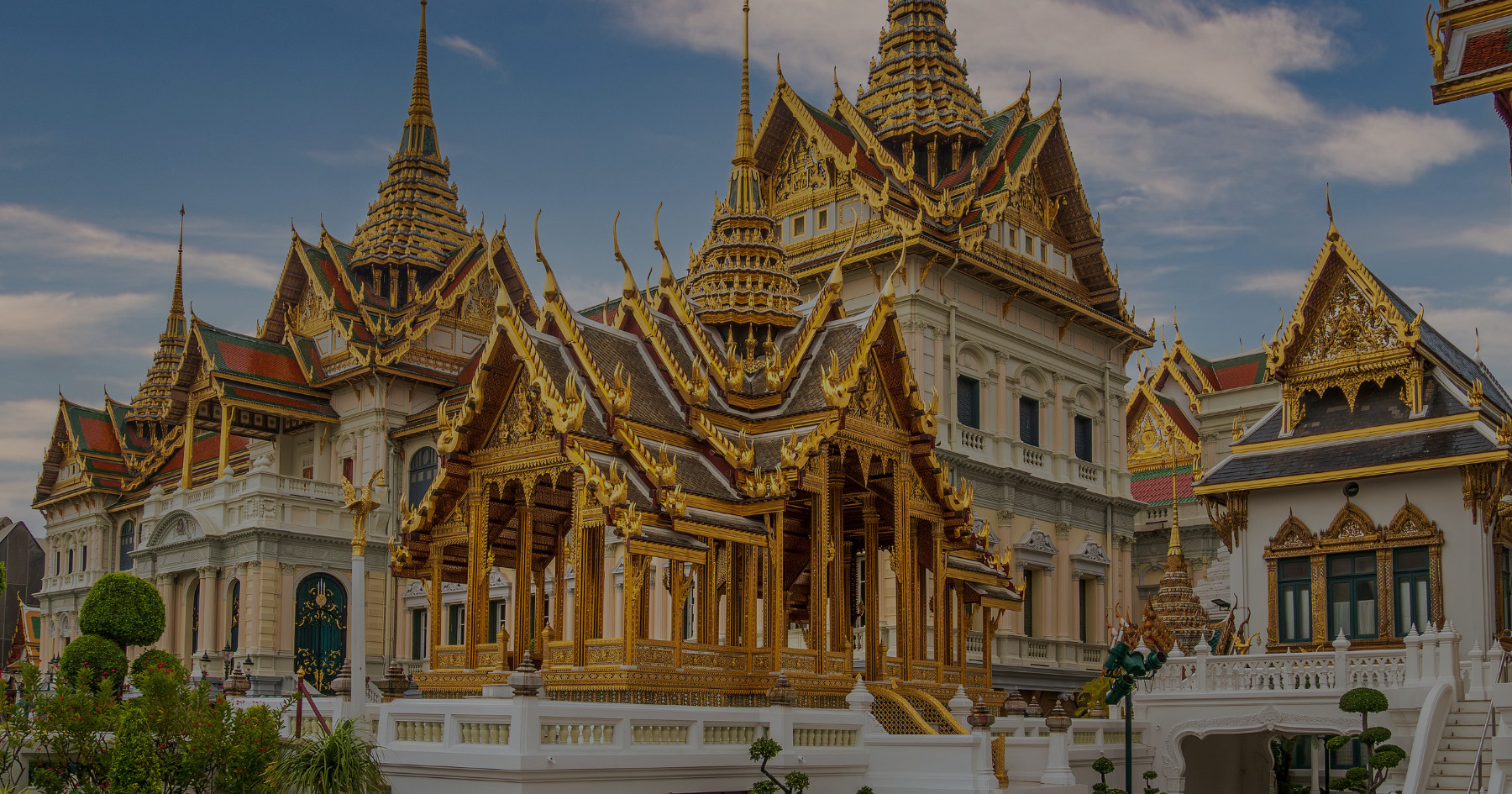
Bangkok is where most nomads end up and there’s a straightforward reason: it has everything. International airport with direct connections everywhere. A metro system that works. A coworking and café culture that has been catering to remote workers for years. Healthcare that is genuinely world-class. More food options than you’ll exhaust in a year.
The area to understand as a first-time baser is the BTS corridor along Sukhumvit. Stay near a BTS stop and you’ve solved most of the city’s problems. Traffic in Bangkok is genuinely as bad as people say, and the only way to be immune to it is to not need to cross it. The Thonglor and Ekkamai neighbourhoods, around BTS Thong Lo and Ekkamai, are where a lot of nomads end up. Good apartments at reasonable prices, walkable to cafés and coworking, busy without being tourist-facing. If you want slightly cheaper and a local feel, Ari (BTS Ari) is worth considering. Quieter, residential, popular with the Thai professional crowd.
The thing nobody writes about is what I’d call the condo trap. Bangkok’s serviced condos are so good, with pools and gyms and food delivery in 20 minutes, that entire weeks can pass without you needing to go outside. You’re working. You’re comfortable. The city outside is 35 degrees and chaotic. The condo is air-conditioned and has everything. This is either heaven or a problem depending on why you came. Worth being aware of before you book a three-month lease.
Chiang Mai is a different place entirely. Where Bangkok is scale and infrastructure, Chiang Mai is community and pace. It’s been one of the world’s established nomad hubs for over a decade, and the infrastructure for remote work, the cafés, the coworking spaces, the Telegram groups, the regular meetups, is more developed per square kilometre than almost anywhere on earth.
The centre of nomad life here is the Nimman area (Nimmanhaemin Road and its sois), which sits between the old city moat and Maya Mall. Everything you need is within a 15-minute walk: coworking spaces, excellent coffee, cheap local food, a 24-hour gym, places to run. It’s dense without being chaotic. Getting around by scooter or Grab is easy, and the city is genuinely small enough that you run into the same people repeatedly. That’s how you make friends here, which you will, because Chiang Mai’s nomad community is the most established in Southeast Asia.
The honest caveat is the burning season. February to April, agricultural burning in the north fills the valley with smoke. Some years it’s bad enough to warrant air quality warnings and staying indoors with purifiers running. If you’re planning a long stay, time it so you’re not there in March. November to January is the sweet spot: cool, dry, clear.
Koh Phangan, Koh Samui, Phuket, Koh Lanta. The islands attract nomads who want beach life and are willing to pay the premium for it and accept the infrastructure trade-off. Internet has improved significantly across all the major islands and coworking spaces exist everywhere. You’re on an island though, which means ferries to get anywhere, monsoon season limiting certain months, and generally higher costs than the mainland.
For a proper long-term working base, the mainland cities are more practical. The islands work well as a rotation, a month in Chiang Mai followed by three weeks on Koh Lanta. As a primary base for sustained productive work, most nomads find they gravitate back to Bangkok or Chiang Mai eventually.
Internet, coworking, and working hours
Internet in Thailand is fast. Bangkok averages 300 to 500 Mbps on fixed broadband, which puts it ahead of most Western European cities. Café and coworking WiFi is consistently reliable. The only real connectivity challenge is on the islands, where speeds vary and power outages are more common. For city-based working it’s a complete non-issue.
Café working is very viable across both cities. Bangkok has a remarkable density of laptop-friendly cafés, particularly in Ari, Thonglor, Ekkamai, and Phrom Phong. The unwritten rule is to order something every couple of hours. In Chiang Mai, CAMP at the top of Maya Mall is worth knowing: it’s technically not a coworking space but a large café backed by the Thailand Creative and Design Center, open 24 hours, good WiFi as long as it’s not packed. Buy a drink and you’re in. Good for lighter days. For anything requiring real focus, a dedicated coworking membership is worth the cost.
Time zone
UTC+7, no daylight saving. The overlap works well for anyone with European clients (afternoon crossover) and is manageable for US clients if you’re flexible about early mornings or late evenings. For Southeast Asian and Australian clients it’s near-perfect. This is one of the practical advantages of Thailand as a base that rarely gets mentioned.
Banking and money
Cards: Revolut, Wise, and Monzo all work well. Use any of them as your day-to-day card. ATMs are everywhere but most charge a foreign withdrawal fee of around 220 THB (~£5) per transaction. Withdraw in larger amounts to minimise that.
Cash: Carry some. Markets, street food stalls, local taxis, and smaller restaurants often don’t accept cards. QR code payment via PromptPay is now widespread among locals and some places prefer that over card. Day to day in the cities you can manage mostly card, but having 500 to 1,000 THB on you makes life easier.
Thai bank account: The DTV visa does not automatically give you the right to open a Thai bank account, and several banks have tightened their requirements for foreign nationals. Bangkok Bank and Kasikornbank are generally the most foreigner-friendly. Bring your passport, visa page, rental contract, and a letter from your employer. It’s achievable but not guaranteed.
SIM and connectivity
Airalo eSIM covers you on arrival and works well throughout Thailand. Once settled, get a local SIM from AIS or DTAC (now True Move). Both offer unlimited data plans for around 300 to 600 THB per month (~£7 to £14). AIS has the most consistent 4G and 5G coverage outside Bangkok. Buy at the airport, any 7-Eleven, or a carrier shop. Takes five minutes to activate.
Coverage in the cities is excellent. On the islands it’s patchier, and in remote mountain areas around Chiang Mai it can drop to 3G or nothing. For city-based working it’s not a consideration. Download offline maps before any significant travel outside urban areas.
Community and social life
This is where Thailand genuinely separates from most of the world. The nomad community in both Bangkok and Chiang Mai is established, active, and not hard to find. Bangkok has regular events, coworking-to-social pipelines, and a large enough expat and nomad population that you’ll encounter other remote workers constantly. Chiang Mai’s scene is tighter and in some ways better for it: smaller city, fewer tourists, a crowd that tends to stay longer and get to know each other properly. Facebook groups, Telegram chats, and in-person meetups are all active.
English is widely spoken in the nomad-facing parts of both cities. In Bangkok you can get by entirely in English in the Sukhumvit corridor. In Chiang Mai’s Nimman area the same is true. Step outside those areas and the picture changes quickly, but for day-to-day nomad life the language gap is minimal compared to most of the destinations in this region.
The social scene in Bangkok has a specific flavour worth understanding. It’s big-city social, which means it’s easy to be around a lot of people and still feel isolated if you’re not deliberate about finding your crowd. Chiang Mai’s size forces more accidental community. Both are legitimate, but knowing which one you need before you choose a base will save you a difficult month.
The honest downsides
Heat. Bangkok in summer is not a joke. 38 to 44 degrees with high humidity, and the solution is to be indoors. This is partly why the condo culture is so strong. You can live well despite the heat, but the idea of walking around exploring fades quickly. The cool season (November to February) is when the city is genuinely pleasant to be outside in. If you’re coming for the first time, aim for that window.
Traffic. Bangkok’s road traffic is as bad as you’ve heard. Grab is cheap and reliable but during peak hours a 5-kilometre journey can take 45 minutes. The BTS and MRT solve most of it, but only if you’re near a station. Build your accommodation search around proximity to the train and you’ll barely feel it. Ignore that and you’ll spend a lot of time sitting in Grab cars.
The condo trap is real. If you’re going to Bangkok to experience Thailand, you have to actively choose to leave your building. The comfort infrastructure is so complete that the weeks pass, the work gets done, and you realise you’ve barely left Sukhumvit. Not a problem if comfortable productivity is the goal. A problem if you came for something else.
Burning season in Chiang Mai. February to April, smoke from agricultural burning settles over the valley and air quality goes from fine to genuinely unhealthy. Some years it’s mild. Some years it’s bad enough that people leave. If you’re basing in Chiang Mai, plan your calendar around this. It’s not a reason to avoid the city, but it’s a real constraint on when to be there.
The visa situation is still maturing. The DTV is genuinely useful but embassies have been inconsistent about requirements since launch. Some ask for more documentation than others. Some have rejected applications that others approved. Apply through your home country embassy if possible and call ahead to verify what they specifically need. Don’t rely on what worked for someone else at a different embassy.
Sightsaw Studio works with tourism boards to attract nomads who stay longer.
Monthly cost calculator
Quick reference
| Country | Thailand |
| Primary cities | Bangkok, Chiang Mai |
| Nomad score | 8.0 / 10 (potential 8.5) |
| Monthly budget | £900 to £1,200 comfortable (Bangkok). £650 to £900 (Chiang Mai). |
| Long-term rent | £420 to £580/month (1-bed, Bangkok). £230 to £360 (Chiang Mai). |
| Short-term rent | £35 to £60/day (Bangkok Airbnb) |
| Visa-free | 60 days, 93 countries incl. UK, EU, US, AU. Extendable to 90 days. |
| Digital nomad visa | Destination Thailand Visa (DTV), 5 years, 180 days per entry |
| DNV income req. | No minimum income. 500,000 THB (~£11,500) in savings required. |
| Internet (Bangkok) | 300–500 Mbps fixed broadband average |
| Time zone | UTC+7, no daylight saving |
| Best months | November to February |
| Avoid | March to May (heat, Chiang Mai burning season). June to October (rainy season). |
| Top coworking (BKK) | The Hive Thonglor, Bangkok (Piman 49, Sukhumvit Soi 49) |
| Top coworking (CM) | Punspace Nimman, Chiang Mai (Nimmanhaemin Road) |
| Best SIM | Airalo eSIM on arrival, then AIS local SIM |
| Cards | Revolut, Wise, Monzo all work. ATM fees apply. |
| Cash needed | Yes, carry some. Markets and local food stalls are often cash only. |
| Language | Thai. English widely spoken in nomad areas of both cities. |
| Nomad community | Strong and established. Best community in Chiang Mai. Bangkok is larger but more diffuse. |
| Safety | High. Low violent crime. Standard precautions apply. |
| Last verified | April 2026 |